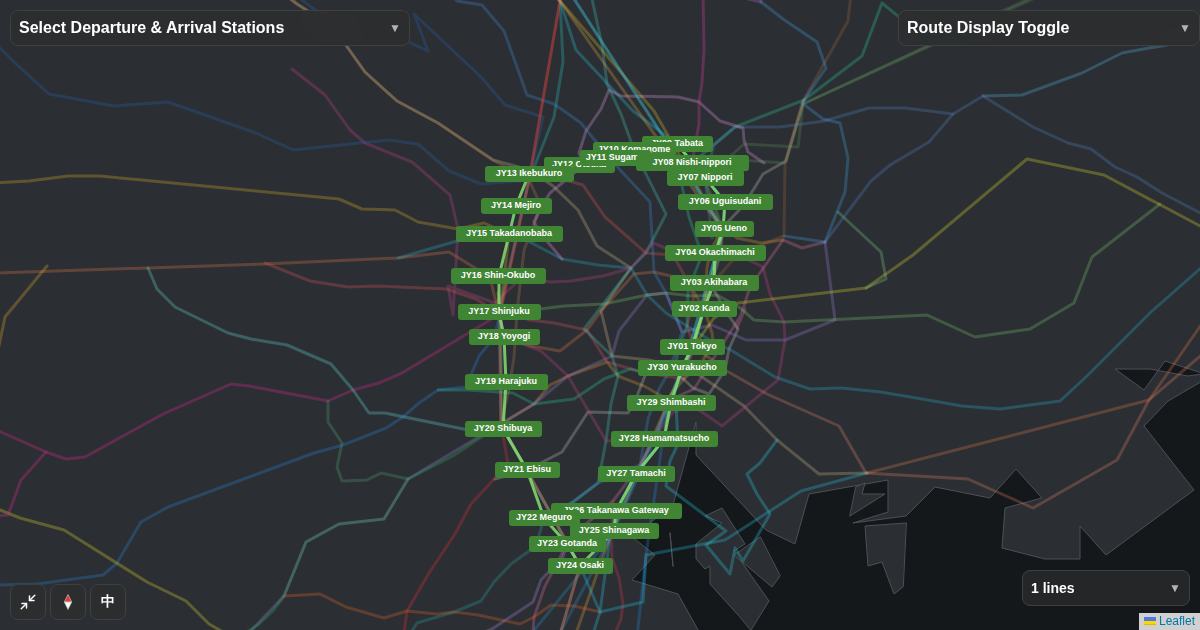
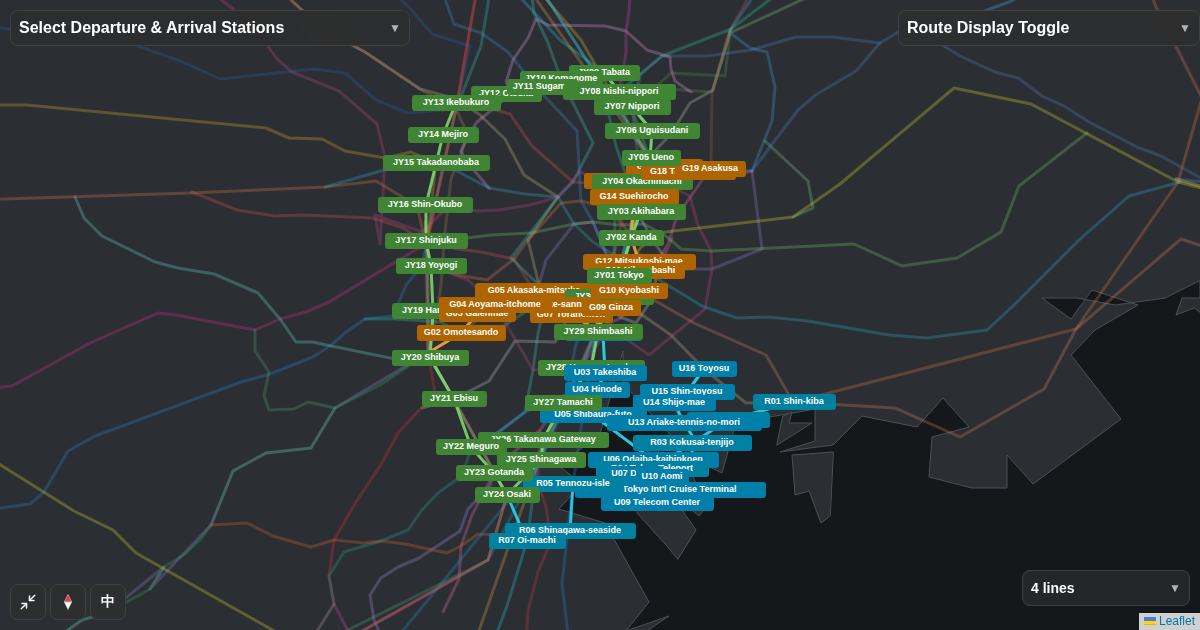
- A station number is a line code plus a number: Shibuya on the Yamanote Line is JY20.
- The letters tell you the line and the number tells you the order of the stations, so you can follow the line even if you cannot read Japanese.
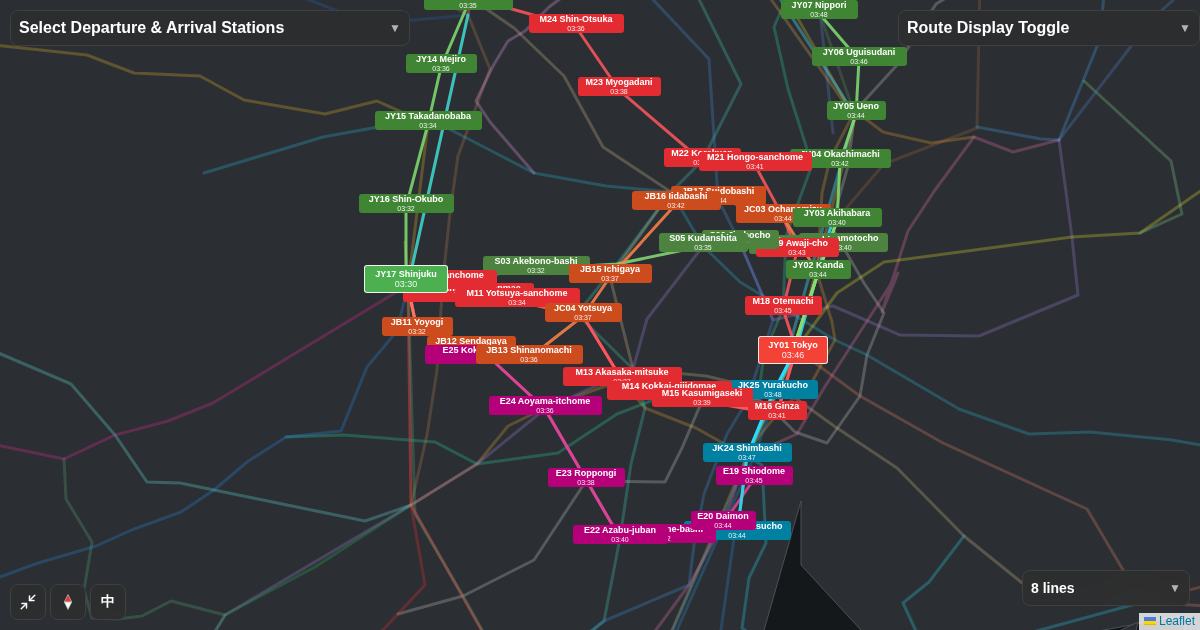
- A station served by several lines has a different number for each line. Look for the code of the line you are about to board.
01What a station number is
In the Tokyo area, signs, maps and announcements show a short code next to each station name. Tokyo Metro describes its codes as a letter for the line and a number for the station, circled in the color of the line.
JR East added the same kind of code to its Tokyo-area stations in 2016, with two letters for the line. Because the code uses only letters and numbers, you can match it on a map, a sign and a ticket gate display without reading the Japanese name.
02How to read the letters and the number
| Code | Line | Station |
|---|---|---|
| JY01 | Yamanote Line | Tokyo |
| JY20 | Yamanote Line | Shibuya |
| G01 | Ginza Line | Shibuya |
| TY01 | Tokyu Toyoko Line | Shibuya |
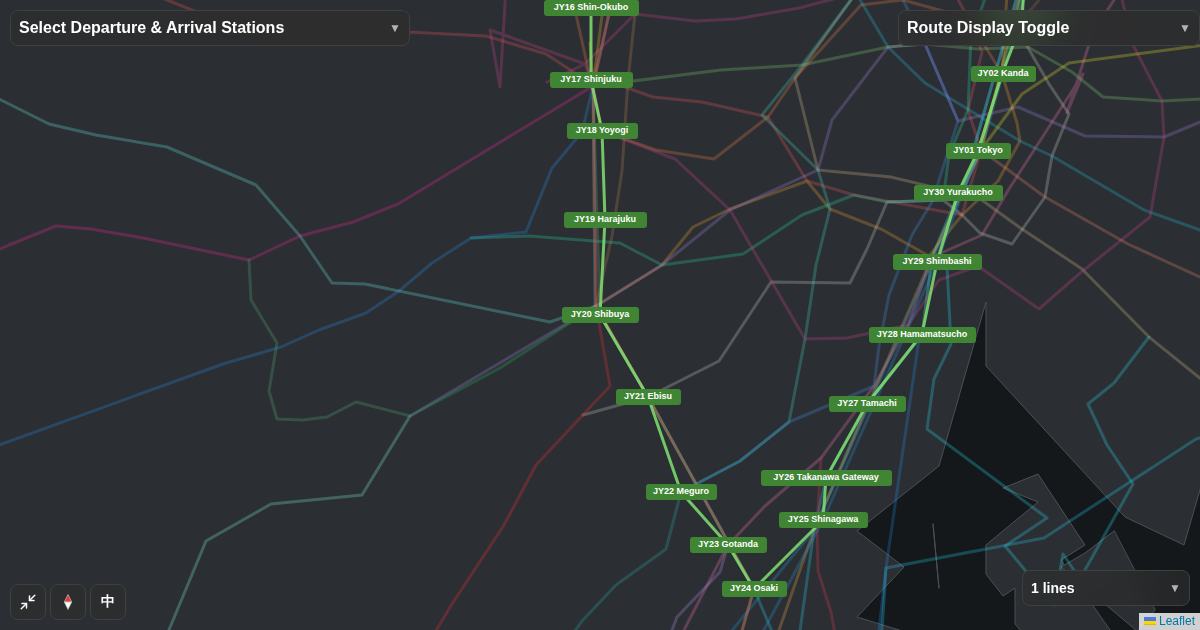
The number changes by one from station to station. On the Yamanote Line, Tokyo is JY01, and the numbers rise through Ueno (JY05) and Shinjuku (JY17) to Shibuya (JY20).
On a line with two ends, compare the number of your station with the number of your destination to tell which way to go, then check that the platform sign shows a train heading that way.
03Transfer stations have more than one number
Shibuya is served by several lines, and each line gives the station its own number:
- Yamanote Line: JY20
- Saikyo Line: JA10
- Ginza Line: G01
- Hanzomon Line: Z01
- Fukutoshin Line: F16
- Tokyu Toyoko Line: TY01
- Tokyu Den-en-toshi Line: DT01
- Keio Inokashira Line: IN01
When you change trains, follow the signs for the code of the line you are changing to. The number of the station you arrived at belongs to the line you just left.
04Where station numbers stop helping
The same letter can mean different lines in different cities. Tokyo Metro's Marunouchi Line uses M (Shin-nakano is M05), and the Osaka Metro Midosuji Line also uses M (Umeda is M16). Check the line name and the city as well as the code.
Not every line uses station numbers. On this map, a station without a number shows only its name. Use the number together with the station name and the destination shown on the platform.
Follow the numbers on the map
Open the Yamanote Line with station numbers and follow them around the loop.
Open the map →